Innovative financing package will help increase Bhutan’s hydropower generation, facilitate regional clean energy, expand economic opportunities and create jobs.
The Public-Private Infrastructure Advisory Facility at the Global Infrastructure Hub (PPIAF) has welcomed the World Bank Group’s approval of Bhutan’s Dorjilung Hydropower Project (DHPP) as a major step toward long-term energy security and fiscal sustainability.
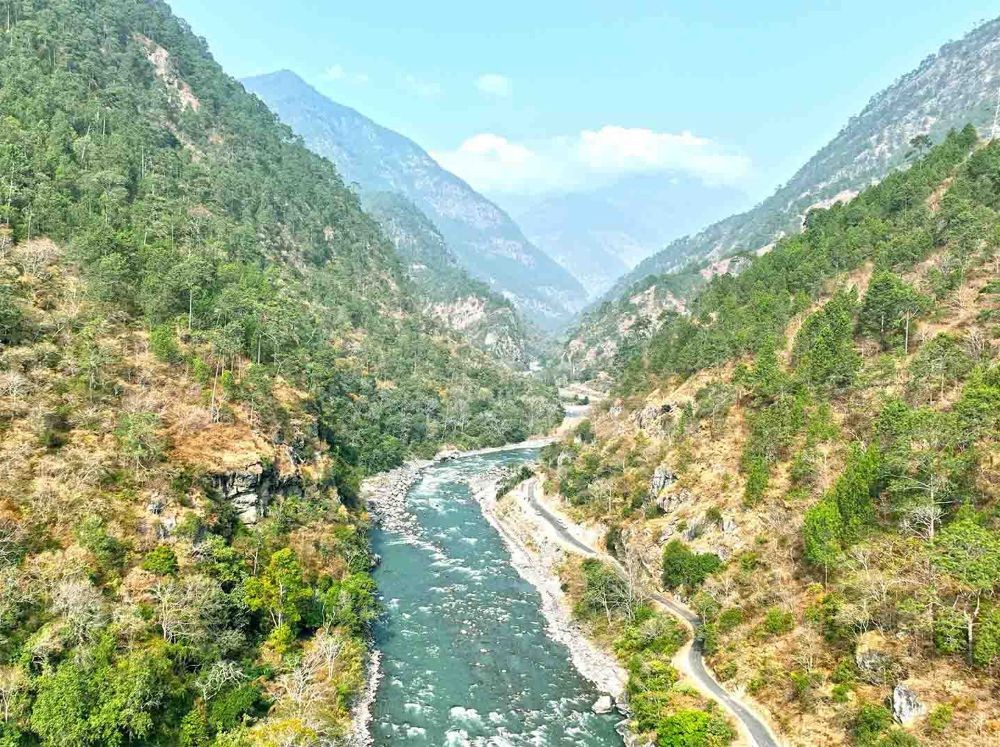
The 1,125 MW Dorjilung Hydroelectric Power Project, located on the Kurichhu River in eastern Bhutan, will generate more than 4,500 GWh of clean electricity annually, increasing the country’s energy production by 40% and energy exports by 42%.
The project will help close Bhutan’s seasonal energy gap, eliminating the need for costly energy imports in winter and generating surplus energy during the summer and monsoons to export to India when domestic energy demands in Bhutan are low. The savings and revenues from the project will create fiscal space for social spending and other investments to benefit the people of Bhutan.
The project will be Bhutan’s largest hydropower PPP, which is a shift towards a more sustainable financing model for hydropower in the country while opening the door to greater private investment. The World Bank Group financing of $815m is expected to mobilise around $900m from private investors.
Lyonpo Lekey Dorji, finance minister for the Royal Government of Bhutan, said: “The Dorjilung Hydroelectric Power Project is a national priority and will be transformational for Bhutan, delivering clean electricity, spurring economic growth and advancing our carbon‑negative commitment. Its innovative financing structure ensures that this project does not unduly burden public finances, allowing us to continue investing in our people.”
PPIAF supported the technical assistance that made this project possible by helping develop the institutional, legal and policy frameworks to attract private capital to hydropower projects. Using DHPP as a case study, PPIAF funded three key outputs: –
- A comprehensive diagnostic of the PPP public sector ecosystem with targeted policy recommendations.
- Training on PPP preparation, procurement, contract management, risk assessment and approval processes, including use of the Climate Toolkit for Infrastructure PPPs.
- Template concession agreements and guidance (e.g., a contract management manual) to operationalise the frameworks.
“The World Bank Group is bringing the full strength of its institutions – IDA, IBRD and IFC – to support the Dorjilung Hydroelectric Power Project in Bhutan,” said Xavier Furtado, the World Bank Group’s country manager for Bhutan. “We’ve worked with the Royal Government of Bhutan to put together a financing package designed to keep sovereign borrowing to a minimum, catalyse private sector engagement and carefully balance risks among public and private stakeholders. This approach can serve as a model for future sustainable hydro development in Bhutan and other countries,” Furtado said.